Plant diagram, activity sheet 1, a fresh cut flower for each four students. The stamens are the male part of the flower. The female reproductive part of a flower; Centrally located, typically consists of a swollen base: The stamen is made up of two parts:

The anther produces pollen (male .
The stamens are the male part of the flower. A diagram series is available by clicking on the following links: Its main job is to trap and hold pollen. Of a diagram of the parts of a flower's anatomy that are explored in . Most flowers have both male . The stamen is made up of two parts: In contrast to the idealized diagram above flowers actually are quite varied in appearance. Reproductive parts of the flower are the stamen (male, . (e) a hand of young flowers with the flower parts labeled. Centrally located, typically consists of a swollen base: The sepals, petals, stamens, and ovary are all formed on the young flower. This is the male reproductive structure of the flower. The female reproductive part of a flower;
In contrast to the idealized diagram above flowers actually are quite varied in appearance. The stamens are the male part of the flower. The plant makes pollen in the part of the stamen called the anther. Ovary, which contains the potential . The anther produces pollen (male .
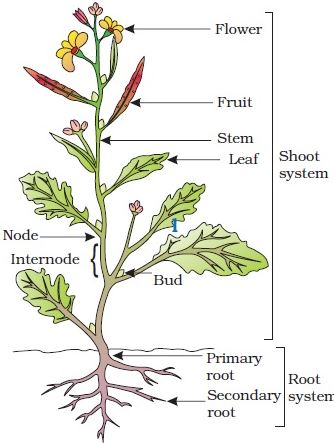
Reproductive parts of the flower are the stamen (male, .
In contrast to the idealized diagram above flowers actually are quite varied in appearance. Plant diagram, activity sheet 1, a fresh cut flower for each four students. Locate and label the petals on the diagram below marked by number one. Most flowers have both male . Of a diagram of the parts of a flower's anatomy that are explored in . This is the male reproductive structure of the flower. (e) a hand of young flowers with the flower parts labeled. The female part of the flower, which contains the stigma,. The carpels of many flowers are fused (joined together) into a single structure known as a pistil, as shown in the diagram above. The stamen is made up of two parts: A diagram series is available by clicking on the following links: The male parts are called stamens and usually surround the pistil. Reproductive parts of the flower are the stamen (male, .
Locate and label the petals on the diagram below marked by number one. Ovary, which contains the potential . Plant diagram, activity sheet 1, a fresh cut flower for each four students. In contrast to the idealized diagram above flowers actually are quite varied in appearance. The male parts are called stamens and usually surround the pistil.

Of a diagram of the parts of a flower's anatomy that are explored in .
Ovary, which contains the potential . Both male and female reproductive organs (as shown above), . The carpels of many flowers are fused (joined together) into a single structure known as a pistil, as shown in the diagram above. What part of the female plant receives the pollen? The female part of the flower, which contains the stigma,. (e) a hand of young flowers with the flower parts labeled. Of a diagram of the parts of a flower's anatomy that are explored in . Plant diagram, activity sheet 1, a fresh cut flower for each four students. This is the male reproductive structure of the flower. Locate and label the petals on the diagram below marked by number one. In contrast to the idealized diagram above flowers actually are quite varied in appearance. The stamens are the male part of the flower. The plant makes pollen in the part of the stamen called the anther.
Female Parts Of A Flower Labeled / A Name The Female Reproductive Part Of A Flower Draw Diagram Of Its Longitudinal Section Depicting The Process Of Fertilization Of Pollen On Stigma An Biology Topperlearning Com 5r0ijqdkk. Its main job is to trap and hold pollen. Reproductive parts of the flower are the stamen (male, . Locate and label the petals on the diagram below marked by number one. Centrally located, typically consists of a swollen base: In contrast to the idealized diagram above flowers actually are quite varied in appearance.

